
 Hafsah Shehzad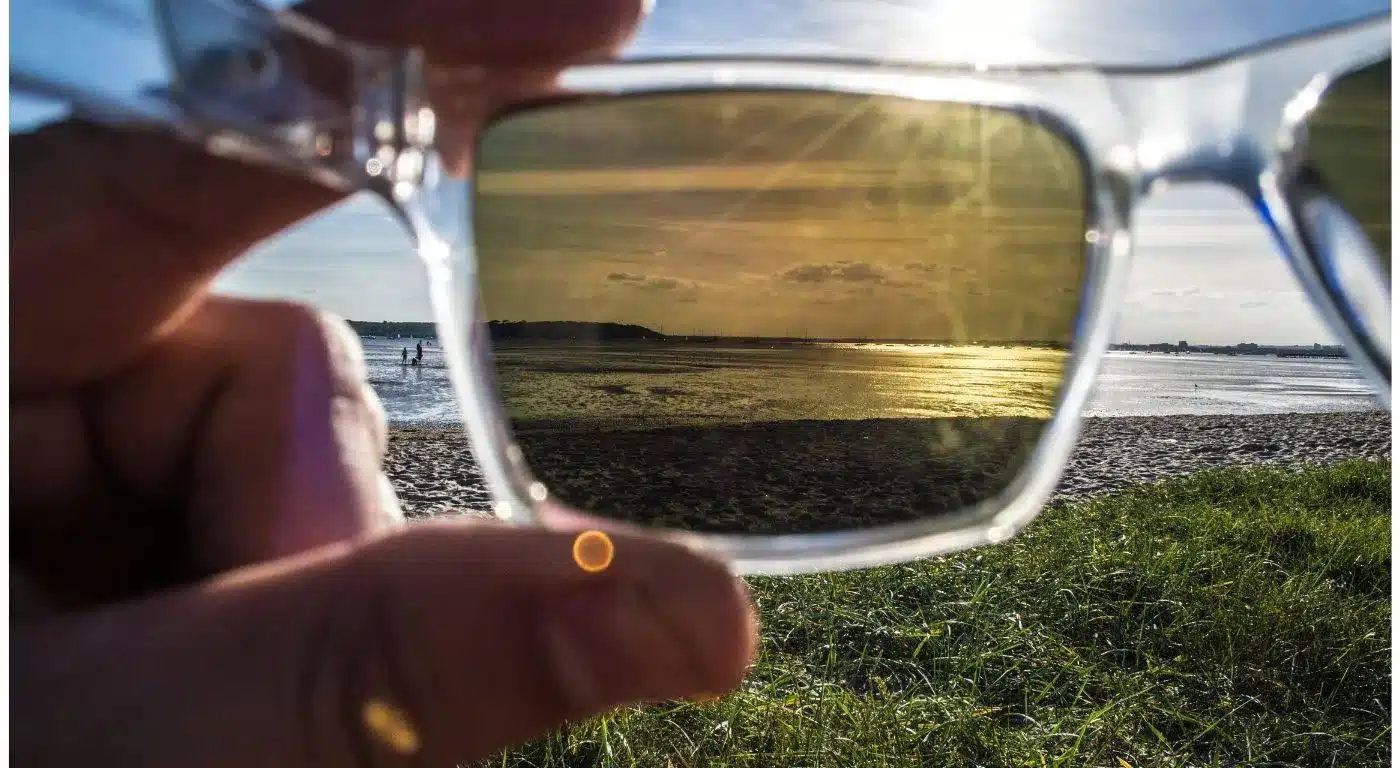
Table of Contents
Choosing the right pair of sunglasses can feel like a bit of a puzzle with so many options out there. You’ve probably heard the terms “polarized” and “non-polarized” thrown around, but what do they really mean? And which one is the best fit for you? If you’re shopping for sunglasses, it’s important to know the difference between polarized vs non-polarized sunglasses so you can make a choice that works for your lifestyle.
I’ll break it all down for you—everything from the differences between the two, to the pros and cons, and how to pick the right pair for your needs. Whether you’re planning a beach day, taking a long drive, or just out for a casual walk, I’ve got you covered in finding your perfect sunglasses. Let’s get started!
What Are Polarized Sunglasses Lenses?
Polarized sunglasses come with a special coating designed to cut out that pesky glare. Think of it as a superpower for your eyes! This coating acts like a filter, blocking out horizontal light that bounces off reflective surfaces like water, snow, or even the pavement. The result? Less glare and much clearer, more comfortable vision, especially when you’re out and about in the great outdoors.
Here’s the magic behind it:
- Glare reduction: Polarized lenses block out harsh horizontal light, which can cause discomfort and strain.
- Sharper vision: They help you see details more clearly, even in bright, reflective environments.
- Eye comfort: By reducing glare, these lenses prevent eye strain and make everything feel a lot more relaxed.
So, whether you’re boating, hitting the slopes, or just soaking up the sun, polarized lenses will make all the difference. It’s like upgrading your sunglasses to superhero status!
So, How Do Polarized Sunglasses Actually Work?
I know—polarized lenses might sound like they belong in the world of magic tricks, but there’s real science behind them. Polarized lenses are equipped with a special chemical filter that’s built right into the lens. This filter allows only vertical light waves to pass through (the good kind of light your eyes need for clear vision), while blocking out horizontal light waves that are the main culprits of that annoying glare.
Here’s the fun part:
- Vertical light = good vision: This is the light that your eyes actually need to see clearly.
- Horizontal light = glare: The light that bounces off reflective surfaces (water, roads, etc.) causing that harsh glare we all try to avoid.
And here’s a quick experiment for you: Grab your polarized sunglasses and hold them up to a bright LCD screen (like your phone or computer screen). As you rotate the lenses, you’ll notice the glare fades or even disappears completely. That’s because the polarized lenses are blocking out those horizontal light waves, giving you a clearer view.
A True Story About Polarized vs. Non-Polarized Sunglasses
Picture this: You’re on a weekend getaway to the beach, soaking in the sunlight and enjoying the fresh ocean breeze. You’ve got your sunglasses on, feeling pretty cool, but something’s not right. The sun’s reflection off the water is so bright that it’s hard to see clearly. You squint your eyes, hoping to get a better view, but everything just looks too bright and blurry. Ever been there?
Well, that was me—before I knew the real difference between polarized vs non-polarized sunglasses.
At that time, I was using regular non-polarized sunglasses, thinking they were good enough. But when I switched to polarized lenses, everything changed. The glare was gone, and suddenly I could see the waves with crystal-clear detail, and I could even read the fine print on my phone without struggling. The difference was like night and day!
Here’s what I noticed:
- No more glare: Polarized lenses blocked out the harsh reflections from the water.
- Sharper vision: I could see clearly, even in bright, reflective environments.
- More comfort: I didn’t have to squint or deal with eye strain anymore.
If you’re planning on spending time near water, snow, or driving long distances, trust me—polarized sunglasses are an investment you won’t regret. They’re a total game-changer for clarity, comfort, and overall experience.
Polarized vs Non-Polarized Sunglasses: The Key Differences
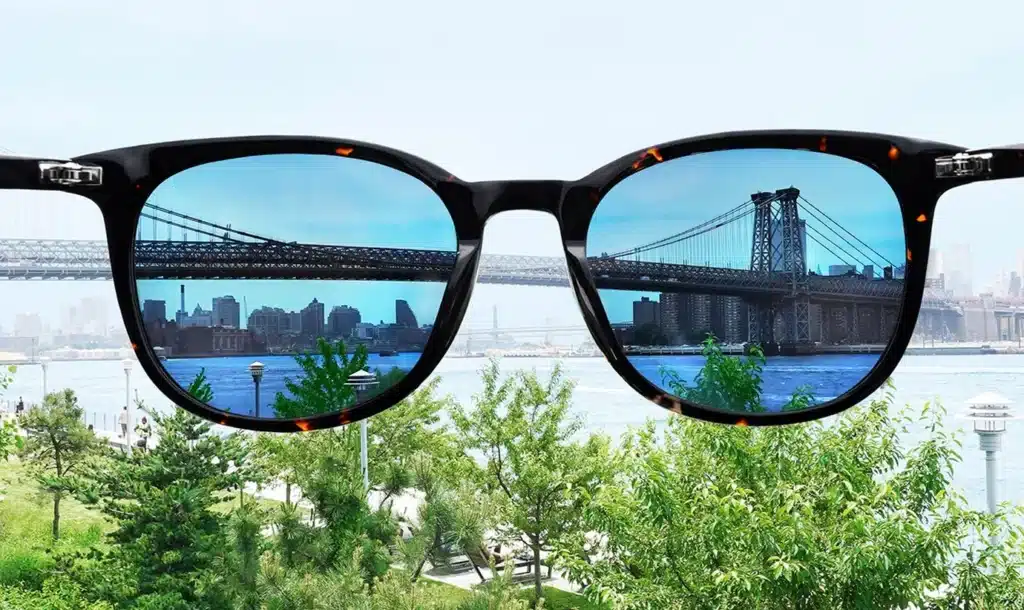
Credit: warbyparker.com
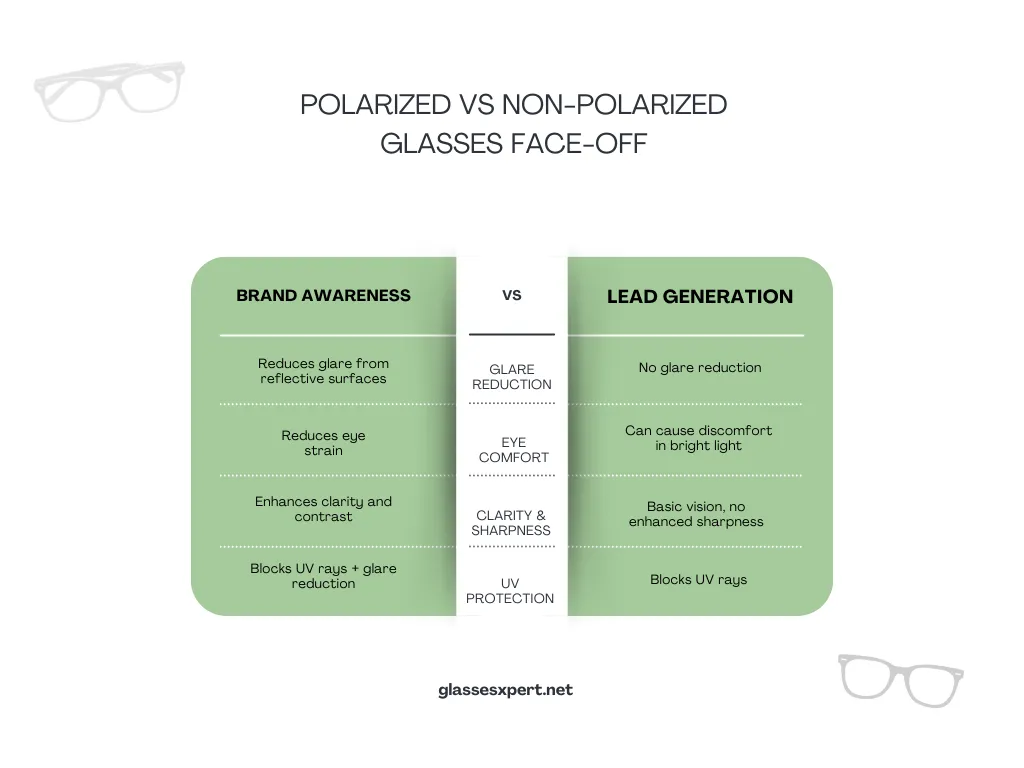
Let’s break it down one by one to understand the difference between polarized and non-polarized sunglasses.
Glare Reduction
Let’s start with glare reduction—one of the key features that sets polarized sunglasses apart.
- Polarized Lenses: These lenses are designed to block horizontal light, significantly reducing glare from reflective surfaces like water, snow, or roads. If you’re outdoors a lot, this is a major win for comfort and vision clarity.
- Non-Polarized Lenses: These lenses provide basic sun protection but don’t reduce glare. So, if you’re in a bright, reflective environment, the glare will still be there, making things harder to see.
Eye Comfort
Next, let’s talk about comfort—because no one wants to squint in the sun all day.
- Polarized Lenses: By cutting down on glare, polarized lenses reduce eye strain, allowing you to enjoy outdoor activities without constantly squinting or feeling discomfort.
- Non-Polarized Lenses: While non-polarized sunglasses offer UV protection, they don’t reduce glare. This means your eyes might get tired faster, especially in very bright environments.
Clarity and Sharpness
Now, let’s look at clarity—how sharp and clear your vision is.
- Polarized Lenses: These lenses not only reduce glare but also enhance contrast and sharpness, making colors more vivid and details clearer. Whether you’re driving or out on the water, you’ll see things more sharply.
- Non-Polarized Lenses: Non-polarized lenses provide basic vision, but they don’t enhance the clarity or sharpness the way polarized lenses do. The view may feel a bit more flat and dull.
UV Protection

Credit: loveideaet.click
Of course, UV protection is key for keeping your eyes safe.
- Polarized Lenses: Polarized lenses offer the same level of UV protection as non-polarized lenses, but they also reduce glare, which means better overall eye comfort and protection. If you’re concerned about screen time, blue light glasses can help reduce eye strain.
- Non-Polarized Lenses: Non-polarized sunglasses still block harmful UV rays, providing the basic sun protection your eyes need. However, they don’t offer the additional benefits of glare reduction.
Price
Let’s talk about the cost—because that always matters!
- Polarized Lenses: These tend to be more expensive due to the specialized technology that blocks glare. But for the added comfort and clarity, many consider them a great investment.
- Non-Polarized Lenses: Non-polarized sunglasses are more affordable. While they lack some of the features of polarized lenses, they still provide basic UV protection and are budget-friendly.
Best for
Finally, who are these lenses best suited for?
- Polarized Lenses: Perfect for anyone who spends a lot of time outdoors, driving, or near reflective surfaces. Whether you’re into water sports, skiing, or just long drives, polarized lenses will improve your experience by reducing glare and improving clarity.
- Non-Polarized Lenses: Great for everyday use, especially if you’re just lounging in the sun or running errands. They’re a solid choice for casual wear without the need for glare reduction.
Are Polarized Sunglasses Better for Your Eyes?
When it comes to eye health, polarized sunglasses do offer more than just style points. Polarized lenses help reduce glare, which can cause discomfort and even lead to long-term eye strain. This can be especially helpful if you spend a lot of time outdoors or are driving for extended periods. By cutting down on glare, polarized lenses can prevent eye fatigue and improve visibility.
That being said, non-polarized sunglasses still offer UV protection, which is essential for maintaining eye health. However, if you’re looking to get the most out of your outdoor experiences, polarized lenses are a step up.
How to Tell if Sunglasses Are Polarized?

Credit: yourtotalvision.com
Wondering how to tell if your sunglasses are polarized? Here’s a simple trick: Hold your sunglasses up to an LCD screen (like a phone or computer), and rotate them. If they’re polarized, you’ll notice that the screen becomes darker or even completely black at certain angles. This is because the polarized lenses are blocking horizontal light.
Polarized Sunglasses vs Non Polarized Sunglasses: Which One to Choose?
Still confused about which one to pick? Here’s a breakdown to help you decide:
Choose Polarized Sunglasses if You
- Spend a lot of time outdoors (beach, water sports, or hiking).
- Drive long distances or face intense glare from the road.
- Want to reduce eye strain and improve visibility.
- Need the sharpest, clearest view possible.
Choose Non-Polarized Sunglasses if You
- Need affordable sunglasses for everyday use.
- Don’t deal with much glare in your daily life.
- Don’t mind sacrificing a little bit of clarity and comfort.
FAQ’s
Let’s take a quick peek at the most commonly asked questions.
What do polarized sunglasses do?
Reduce glare and improve vision, cutting down on eye strain.
What’s the difference between polarized and non-polarized sunglasses?
Polarized sunglasses block glare; non-polarized do not.
How to tell if sunglasses are polarized?
Hold them up to an LCD screen and rotate. If they’re polarized, the screen darkens.
Do non-polarized sunglasses protect your eyes?
Yes, they block UV rays but don’t reduce glare or provide the same comfort.
Are polarized sunglasses better for your eyes?
Yes, they reduce glare and improve comfort during outdoor activities.
The Bottom Line
Choosing between polarized and non-polarized sunglasses really depends on how you use them. If you’re outdoors a lot, driving, or into sports, polarized lenses are your best bet for clearer vision and glare reduction. But if you just need basic sunglasses for everyday use and don’t deal with much glare, non-polarized ones will do the job.
Now, go ahead and choose your perfect pair of sunglasses, and enjoy the outdoors without worrying about glare!

