
 Hafsah Shehzad
Table of Contents
Pupillary distance (PD) is one of those essential measurements when it comes to getting the perfect fit for your glasses. It’s a simple step, but it makes a huge difference in how your glasses work for you—ensuring your lenses line up just right with your eyes, so you get clearer vision and less eye strain. Now, you might be wondering, How exactly do I measure my PD? Do I need to make a trip to the eye doctor? Or is there a faster and easier way to do it myself? Well, you’re in the right place because I’ve got you covered! Today, I’m going to walk you through how you can measure your PD using a ruler, answer some of the most common questions I’ve gotten about PD, and explain why getting this measurement right is so important for your glasses fit. Let’s learn all about it!
What is Pupillary Distance (PD)?
Before we get into the details of how to measure PD with a ruler, let’s first answer this question: Why is pupillary distance important?
Pupillary distance refers to the distance between the centers of your pupils in millimeters. It is a critical measurement that helps ensure your glasses lenses are properly aligned with your eyes. If your PD is off, you could experience blurred vision, eye strain, or headaches.
- PD is unique to each person.
- It can vary between your left and right eye (this is why we use monocular PD sometimes).
- Incorrect PD can lead to distorted vision and discomfort.
Now that you understand the significance, let’s move on to how to measure pupillary distance, using a ruler!
How to Measure Pupillary Distance with a Ruler
Credit: bantonframeworks.co.uk
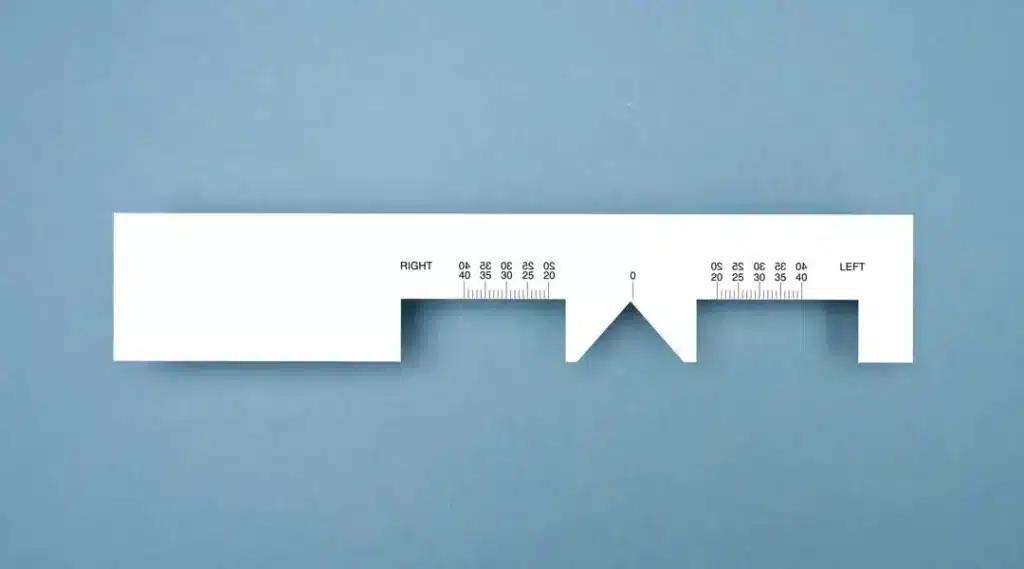
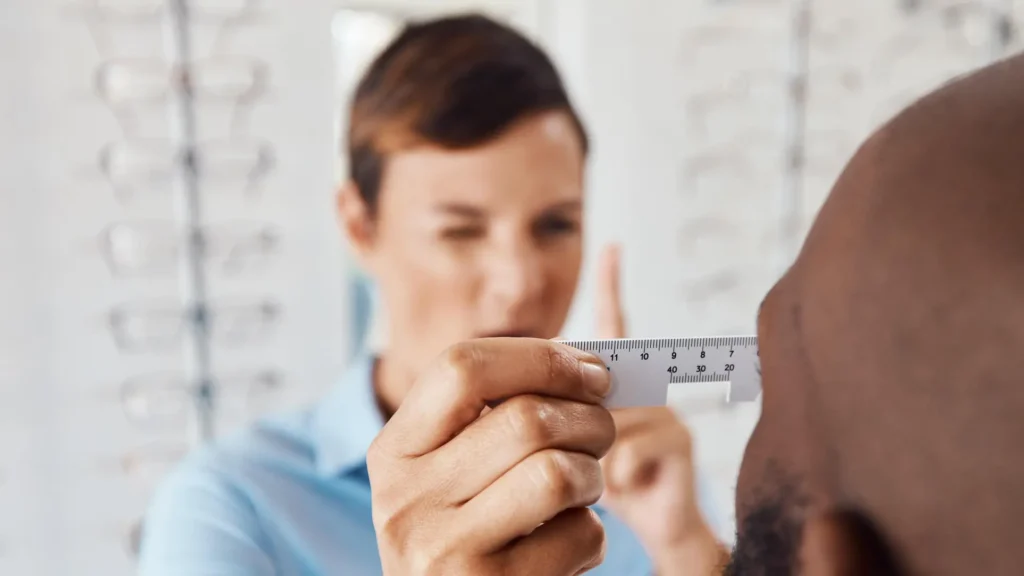
While it’s often easiest to have an eye doctor take this measurement, you can measure your pupillary distance at home with just a millimeter ruler. Here’s how:
a) Gather Your Materials
You’ll need the following:
- A millimeter ruler (preferably with clear, fine increments)
- A mirror (or a friend to help)
- A pencil or marker to mark the spot on your face
- A computer or smartphone with a camera (optional, for online tools)
b) Step-by-Step Guide
Here’s how you can accurately measure your PD:
i. Stand in Front of a Mirror
Position yourself about 8 inches away from the mirror. It’s essential to stand straight and look ahead while performing the measurement.
ii. Align the Ruler
Hold the ruler straight across the bridge of your nose, ensuring that it’s aligned horizontally. The ruler should be positioned at eye level with your pupils.
iii. Mark the Center of Each Pupil
Using your pencil or marker, carefully mark the center of your left and right pupils. This is crucial for accuracy!
iv. Measure the Distance
Now, with your ruler in place, measure the distance between the two marks in millimeters. This is your pupillary distance.
v. Repeat
For accuracy, repeat the process a couple of times to ensure consistency.
c) Check Your Results
Once you’ve measured your PD, compare it with the typical average PD by age:
- Children (under 10 years): 42-50mm
- Adults: 54-74mm
- Elderly (over 65 years): 60-70mm
If your measurement falls within these ranges, then you’ve likely got it right! If you’re not sure or want a second opinion, there are online tools to measure pupillary distance that can help.
Using an Online Tool to Measure Pupillary Distance
 Credit: zennioptical.com
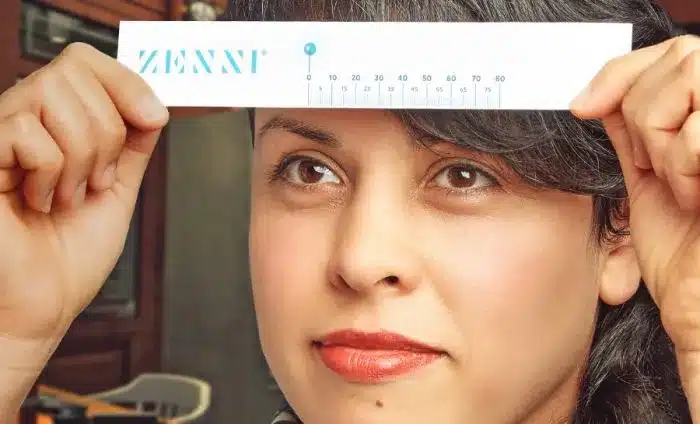
In case you’re feeling unsure about doing it yourself, you can also use an online tool to measure pupillary distance. These tools can give you a more precise measurement without needing to leave your home.
There are various online pupillary distance measurement tools that only require you to upload a photo of your face. The software does the work and calculates the distance between your pupils.
If you want a reliable measure of pupillary distance online, Zenni offers one of the most popular options. Here’s how you can use it:
- Take a clear photo of your face while looking straight ahead.
- Upload it to the Zenni PD measurement tool.
- The tool will automatically calculate your PD for you.
It’s simple, quick, and highly accurate—giving you a PD measurement you can trust for ordering glasses online!
Does PD Change with Glasses?
You may wonder: Does pupillary distance change with glasses?
While PD itself doesn’t change, the way you measure PD can depend on the type of glasses you’re using. For example, when measuring for computer glasses pupillary distance or reading glasses, you might need a slightly different measurement based on how far away you typically look through your lenses. So, yes, PD can change with your glasses prescription, but it remains consistent when it comes to the center of your pupils.
Can You Measure Pupillary Distance with a Tape Measure?
Credit: contactsadvice.com
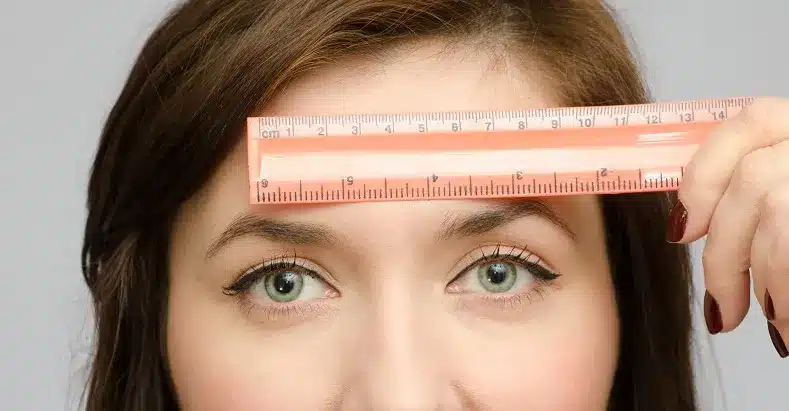
You may be asking, can you measure pupillary distance with a tape measure? While it’s possible to use a tape measure instead of a millimeter ruler, I wouldn’t recommend it. Tape measures tend to have wider increments and less precision, which could lead to an inaccurate PD measurement.
For the best results, always use a PD ruler or an online pupillary distance measurement tool to ensure precision. A millimeter ruler gives you the most accurate measurement, making your glasses fit much better.
Types of PD: Single, Dual, and Monocular
There are different ways to measure PD, and you might hear about these terms when reading about glasses and eye care:
- Single PD: This is the measurement of the distance between the pupils of both eyes. It’s used for most people and is typically measured from the center of one pupil to the center of the other.
- Dual PD: This refers to the individual PD for each eye. Some people have slight differences in the distance between their left and right pupil, which is why dual PD is sometimes necessary.
- Monocular PD: This is when each eye is measured separately, typically for those who have different PD values for their left and right eye.
Common PD Measurement Mistakes
Credit: yesglasses.com
Getting your PD measurement right is important, but there are some common mistakes you should avoid:
- Wrong pupillary distance in glasses: If your PD is off by even a few millimeters, it can cause eye strain, headaches, and poor vision through your glasses. This could make it more difficult to get your lenses back into your frames properly, which you can read more about here.
- Not aligning the ruler properly: Ensure the ruler stays straight and horizontal when measuring to avoid errors.
Final Word
Getting your PD right is crucial for comfortable and clear vision through your glasses. Whether you use a ruler to measure pupillary distance or an online pupillary distance measurement tool, it’s worth taking the time to do it properly. You don’t want to be stuck with glasses that don’t fit, after all!
By following these simple steps and tips, you’ll be on your way to perfectly fitting glasses that will make all the difference in your daily comfort and eye health!
FAQ’s
Here are some of the most frequently asked questions about PD measurements.
Do eye doctors measure pupillary distance?
Yes! Optometrists measure your PD during your eye exam. If you don’t have this measurement, you can always ask for it during your visit.
Does pupillary distance change?
No, your PD remains the same throughout your life. However, it can vary from person to person.
Why is pupillary distance important?
A correct PD ensures your glasses lenses are properly aligned with your pupils, leading to optimal vision and comfort.
Can you measure pupillary distance with a tape measure?
While you can use a tape measure, it’s not as accurate as a millimeter ruler or online tools, so it’s better to avoid it for precise measurements.
How to measure pupillary distance using Zenni?
To measure PD using Zenni, simply upload a clear photo of your face, and the online tool will measure the distance between your pupils.

